We’ve all done it. By done it, we mean seeing someone with gorgeous hair recommending a shampoo. All of a sudden, you’re convinced that it’s exactly what your bathroom shelf (and hair routine) has been missing. So, you buy it and give it a few washes to see if it works. Naturally, you expect to see beautiful results.
When your hair doesn’t respond the way you expected, it can be disappointing, particularly when you’ve invested in a product that isn’t right for your needs. It’s even more frustrating when your hair ends up feeling worse.
At The Runway Looks, we love discovering new hair products as much as anyone, but there’s a reason your friend’s favorite conditioner might leave your hair looking flat. The reason is that your hair has its own needs that aren’t necessarily the same as someone else’s.
So, if you’ve been searching “best hair care for my hair type,” we have something worth sharing.
What’s the Difference Between Hair Type, Hair Condition and Hair Concerns?
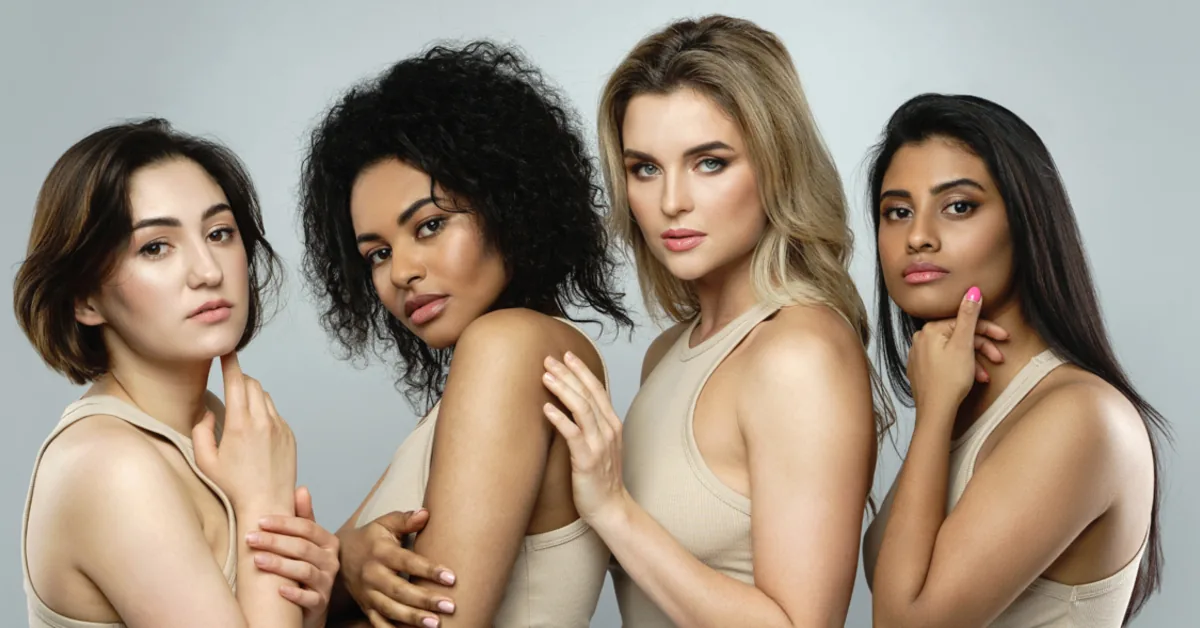
First off, choosing the right products starts with understanding your hair and what you’re actually trying to improve. When you’ve figured that out, you might find that your routine becomes a whole lot simpler.
Before we get into how to choose hair products, we need to clear something up. Your hair type and your hair concerns aren’t necessarily the same thing.
Hair type generally speaks to your natural texture and characteristics. You might have straight hair or tight curls. Your individual hair type might be fine or coarse and your hair might naturally have more or less density.
Now, hair condition describes what’s happening to your hair right now. Perhaps you’ve recently colored it or noticed that your ends feel dry after months of heat styling. These things can change even when your natural hair type stays the same.
Then there’s your primary hair concern. That’s the problem you actually want your products to address. Maybe your fine hair lacks volume or your curls have become difficult to manage because of frizz.
See the difference?
Two people can have exactly the same hair type and still need completely different products. That’s why choosing a shampoo based on texture alone doesn’t always give you the results you’re hoping for.
How Do You Know What Your Hair Actually Needs?
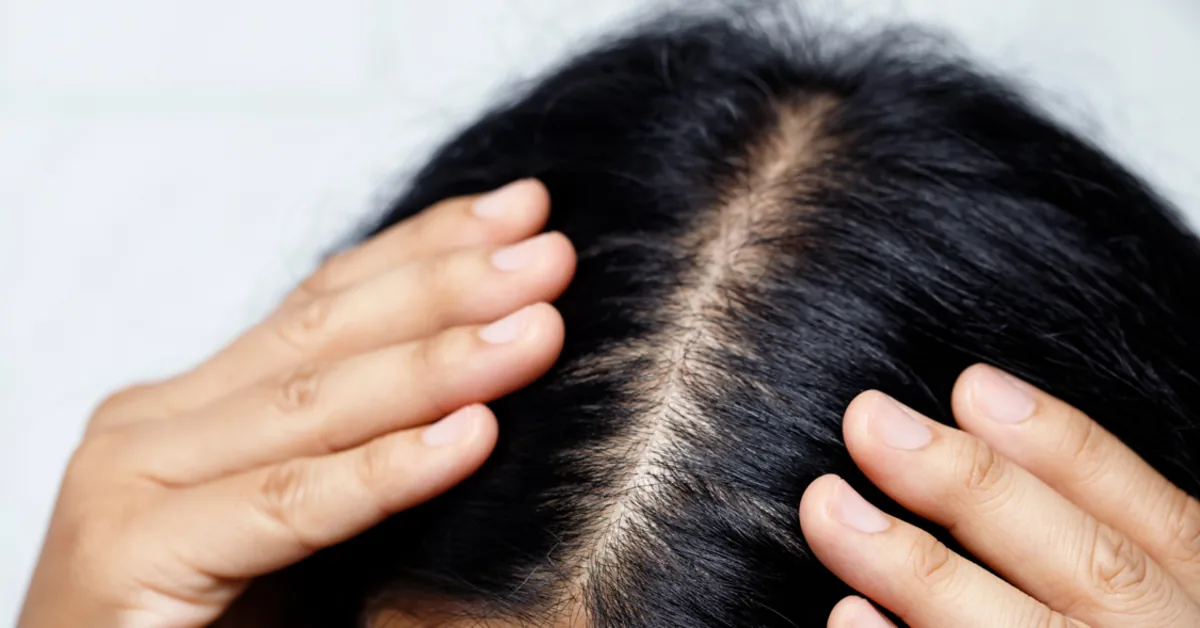
Start by paying attention to how your hair behaves between washes. Sometimes, the signs are right in front of you, but you might not know what they’re telling you.
| If your hair… | You might need… |
|---|---|
| Becomes oily quickly | A shampoo that effectively removes excess scalp oil without leaving your lengths feeling dry. |
| Feels rough or dry through the lengths | A more moisturizing conditioner or a weekly conditioning treatment to improve softness. |
| Looks flat at the roots even after styling | Lightweight products that won’t weigh your hair down and a volumizing shampoo to support body. |
| Breaks easily when brushing | Conditioning products that improve slip and reduce friction, along with gentler detangling habits. |
| Becomes frizzy throughout the day | Smoothing products that help manage frizz and reduce friction between strands. |
| Looks dull even after washing | A review of your cleansing routine to address buildup, followed by conditioning care to improve smoothness. |
These observations can tell you more than the latest product recommendation on social media.
Your scalp deserves a look-over too. Shampoo mainly cleanses the scalp, so how oily it becomes can affect which formula works best for you. Conditioner usually focuses on the lengths and ends, which is where dryness and friction are more noticeable.
If you’re unsure of where to start, figure out the concern that bothers you the most. You can always adjust your hair care routine later if your needs change. Not sure where to begin? Take our Hair Quiz to discover which collection best suits your hair’s unique needs.
Choosing Products for Different Hair Concerns
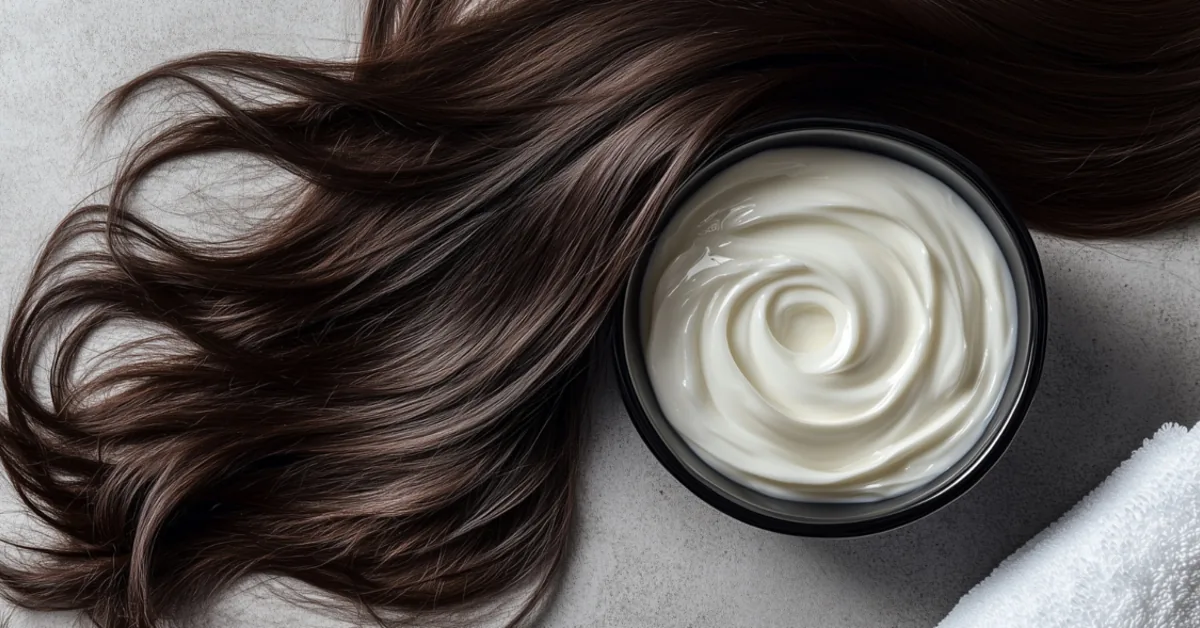
The idea behind hair care by hair type is great, but we think it’s even more helpful when you think about what your hair needs right now.
Fine Hair That Needs Volume
Fine hair can lose its bounce when products are too heavy. If your roots become flat just after washing, look for lightweight formulas that cleanse effectively without leaving unnecessary residue.
When you’re choosing products for fine hair, pay attention to how much conditioner you’re applying and where you’re putting it. Your lengths may need conditioning, but your roots probably don’t need a generous coating.
Our New York Volume Hair Collection is designed for hair that needs more body and fullness. It’s a good starting point when volume is your main concern.
Color-Treated or Dry Hair
Coloring can affect the hair cuticle and leave your hair more prone to dryness. If your hair feels rough after coloring, your routine may need more conditioning care.
Look for products for color-treated hair that support softness and manageability. Gentle cleansing is also worth looking into, especially if your hair has become more fragile after chemical processing.
Our London Color Treated Hair Collection addresses the needs of color-treated hair as well as dryness from damage.
Weak or Damaged Hair
If your hair breaks easily or feels rough through the ends, it may need a little more conditioning and gentler handling.
When you’re comparing hair products for damaged hair, try not to just buy into the promises of instant repair. Conditioning treatments can improve the appearance and feel of damaged hair in the short term, but they can’t permanently mend split ends. You need a good trim and good overall care to fix that.
That said, our Paris Strong Smooth Hair Collection focuses on strength and smoothness while helping hair become more manageable.
Frizzy or Difficult-to-Manage Hair
Frizz can happen for a couple of reasons. Humidity can affect how your hair behaves. Dryness and friction can make the strands look less smooth.
The best products for frizzy hair depend on your texture and the condition of your hair. Conditioning and smoothing products can help reduce friction, but very fine hair might need lighter formulas than thicker hair.
Our Milan Frizz Free Hair Collection is designed around frizz control and improved manageability.
Your Hair Care Needs
Here’s a quick recap to help you match your main concern with a good starting point.
| If your hair is… | Focus on… | Explore this collection |
|---|---|---|
| Fine or flat | Lightweight care that supports volume | New York Volume Hair |
| Weak or damaged | Strength and improved manageability | Paris Strong Smooth Hair |
| Frizzy or difficult to control | Frizz control, smoother-looking hair and improved manageability | Milan Frizz Free Hair |
| Color-treated or dry hair | Gentle cleansing and conditioning to maintain softness | London Color Treated Hair |
Of course, your hair might fit more than one category. That’s perfectly normal. Just make sure that you start with the concern that you’d most like to improve and don’t try to solve everything with one product.
The Wrong Shampoo or Conditioner Can Make Your Hair Worse
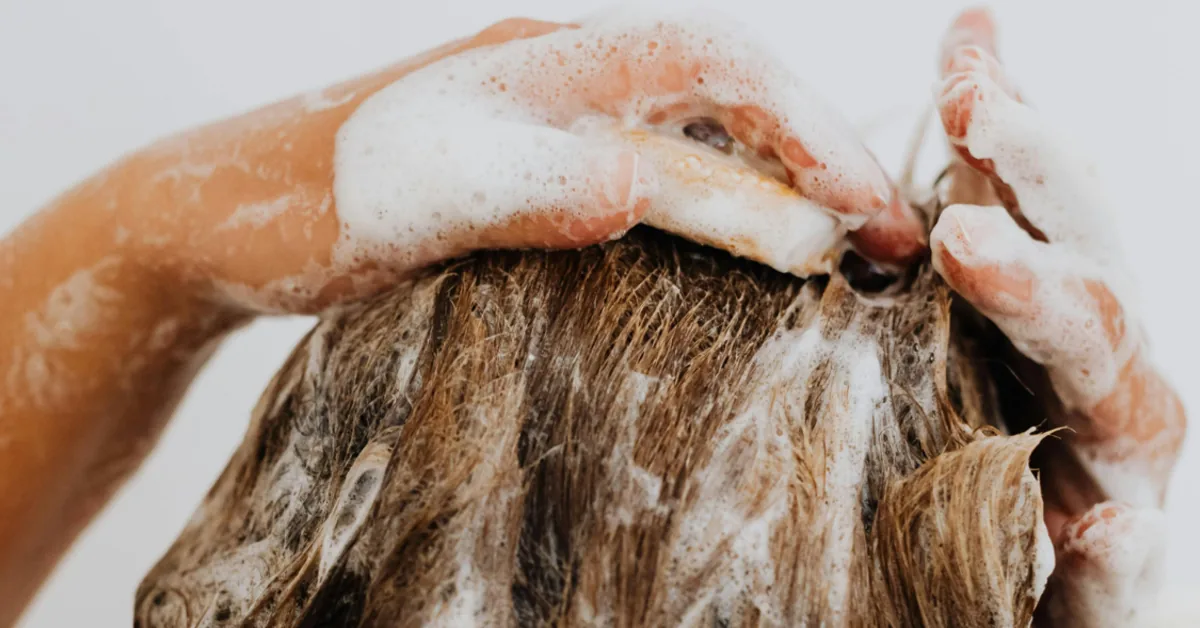
Yes, this is true, although that doesn’t necessarily mean that the product itself is bad. A rich conditioner might work beautifully for coarse hair but leave fine hair feeling heavy. A shampoo that doesn’t cleanse your oily scalp effectively might leave you feeling like you need another wash sooner than expected.
Some products can also cause dryness or irritation if they’re unsuitable for your scalp. If you notice persistent itching or discomfort after introducing something new, stop using it and think about getting professional advice from a dermatologist.
This is why how to choose shampoo and conditioner should always come back to your own needs instead of what’s popular. Also, don’t assume that a higher price automatically means a product is better suited to your hair.
You Don’t Need a Ten-Product Hair Routine
A beautiful hair-care routine doesn’t need to be complicated. Choosing the right products for your hair’s individual needs is what truly matters. You might find that a good shampoo and conditioner give you most of what you need. From there, you can introduce a treatment or styling product if there’s a specific reason to use one.
For example, someone who regularly heat-styles their hair should use thermal protection. Someone dealing with dryness will need an occasional conditioning mask. Just know that if you’re using several products that all promise the same result, you might be adding unnecessary buildup without getting much more out of it.
Frequently Asked Questions
How do I know which hair products are right for me?
Start with your natural hair characteristics and the biggest problem. Think about how your scalp behaves and whether your lengths need additional conditioning. Choose products that address those needs.
Can I use products designed for a different hair type?
Yes. Product categories are great starting points, but they aren’t strict rules. Someone with fine hair could still need more conditioning if their hair is damaged.
Should I change my shampoo when my hair changes?
You can. Coloring and changes in scalp oiliness can affect what your hair needs. If your products stop giving you good results, look at your routine and rebuild it.
How many hair products do I actually need?
There’s no hard and fast number. A good shampoo and conditioner could be enough for basic care.
Can my hair get used to a shampoo and stop responding to it?
Not exactly. Your hair doesn’t grow a tolerance to shampoo, but changes in your environment or product buildup can change how it looks and feels. Sometimes, what looks like a product is losing its effectiveness is actually just a change in your hair’s condition.
Should I use shampoo and conditioner from the same collection?
Not necessarily. Products within a collection are generally formulated to complement one another, but there’s no rule saying you have to use them together.
Finding the right hair care shouldn’t feel like an expensive guessing game. You just need to understand what your hair needs. Still not sure where to start? That’s exactly why we created The Runway Looks Hair Quiz. Take the quiz to explore which of our four collections best suits your hair concerns and find a routine that makes sense for you.
Because great hair starts with knowing your own.
Let Your Hair Do The Talking.